

Le Colon Aveugle
The artwork here represents the violence of the past, highlighting the invader’s ignorance when faced with the wisdom of nature and the silent strength of the people who emerged from it. Despite the oppression, this is a people who drew on spirituality and collective memory to rise up and flourish.
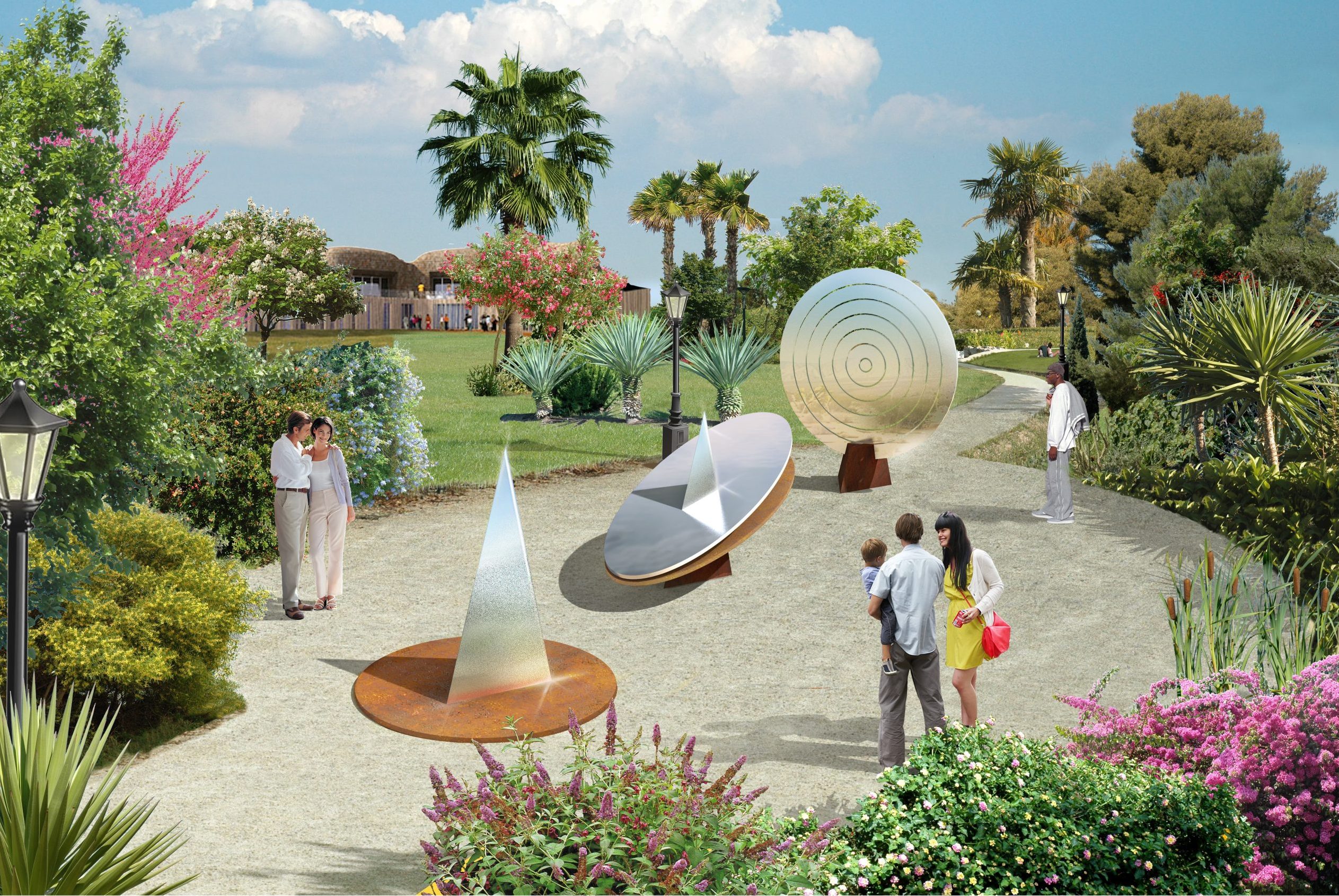
The piece depicts the evolving relationship between the two worlds in three stages: from brutal conquest to the invader’s downfall. Each sculpture tells a chapter of this story.
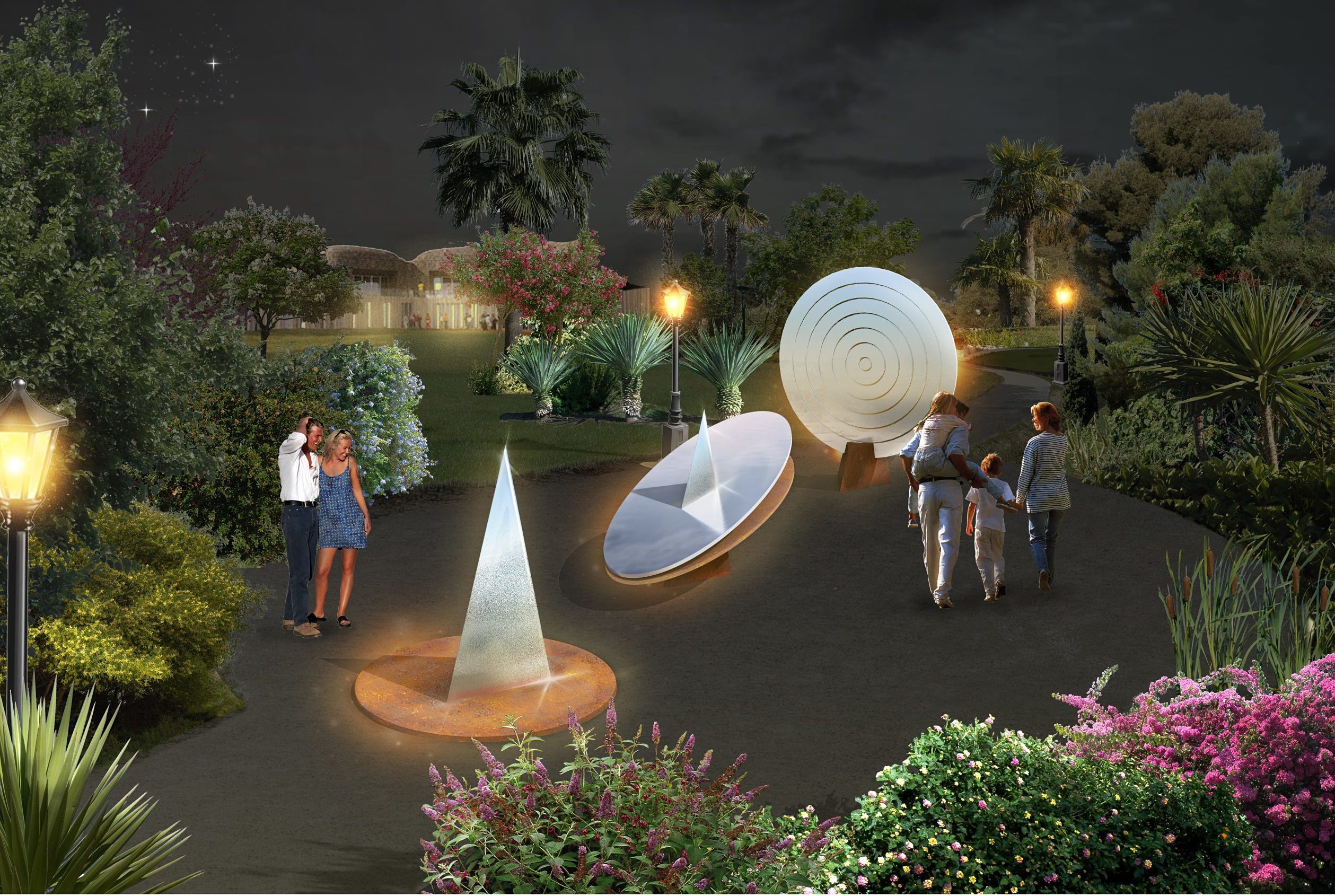
The first sculpture shows a shining colonial invader, proudly erect, while the Indigenous (or ‘Amerindian’) people lie on the ground, seemingly erased. In the second sculpture, a tipping point occurs: the top still shines, but the oxidized base represents the invader beginning to falter, marked by the corrosion of time and doubt. In the final sculpture, the balance of power has completely reversed: the invader is now nothing more than a rusted mass, relegated to the ground, upon which the Indigenous people stand to proudly raise the values that allowed them to endure.
This contrast of transparent light and shadow, of brilliance and rust, makes the material vibrate with a narrative of domination, consciousness, resilience, and elevation.
Size
3x2 meters
Weight
450 kg
Time
3 months
Location
Martinique (972)
Price
40 000 €
Patron
Région
Year Created
2025
Le Colon Aveugle
SIZE
3x2 meters
WEIGHT
450 kg
TIME
3 months
Location
Martinique (972)
PRICE
40 000 €
PATRON
Région
The artwork here represents the violence of the past, highlighting the invader’s ignorance when faced with the wisdom of nature and the silent strength of the people who emerged from it. Despite the oppression, this is a people who drew on spirituality and collective memory to rise up and flourish.
The piece depicts the evolving relationship between the two worlds in three stages: from brutal conquest to the invader’s downfall. Each sculpture tells a chapter of this story.
The first sculpture shows a shining colonial invader, proudly erect, while the Indigenous (or ‘Amerindian’) people lie on the ground, seemingly erased. In the second sculpture, a tipping point occurs: the top still shines, but the oxidized base represents the invader beginning to falter, marked by the corrosion of time and doubt. In the final sculpture, the balance of power has completely reversed: the invader is now nothing more than a rusted mass, relegated to the ground, upon which the Indigenous people stand to proudly raise the values that allowed them to endure.
This contrast of transparent light and shadow, of brilliance and rust, makes the material vibrate with a narrative of domination, consciousness, resilience, and elevation.
